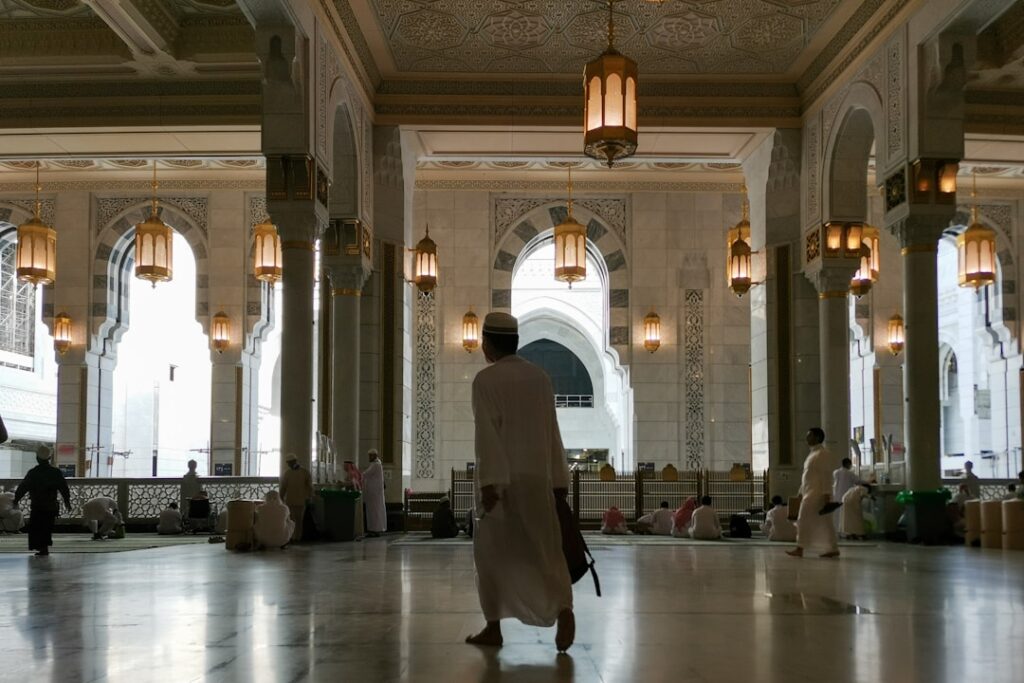
Hajj teaches that worship is not limited to rituals but is expressed through sincerity, humility, and a continuous effort to live a righteous life.
Hajj is not just a physical pilgrimage; it is a profound spiritual journey that every able Muslim aspires to undertake at least once in their lifetime. Beyond the rituals and travel, Hajj represents a time for self-reflection, purification, and deep connection with Allah. It is a unique experience that unites millions of Muslims from diverse backgrounds, transcending language, culture, and social differences, creating a universal bond of faith and devotion.
Pilgrims return home spiritually rejuvenated, carrying lessons of patience, perseverance, and closeness to Allah in their daily lives.
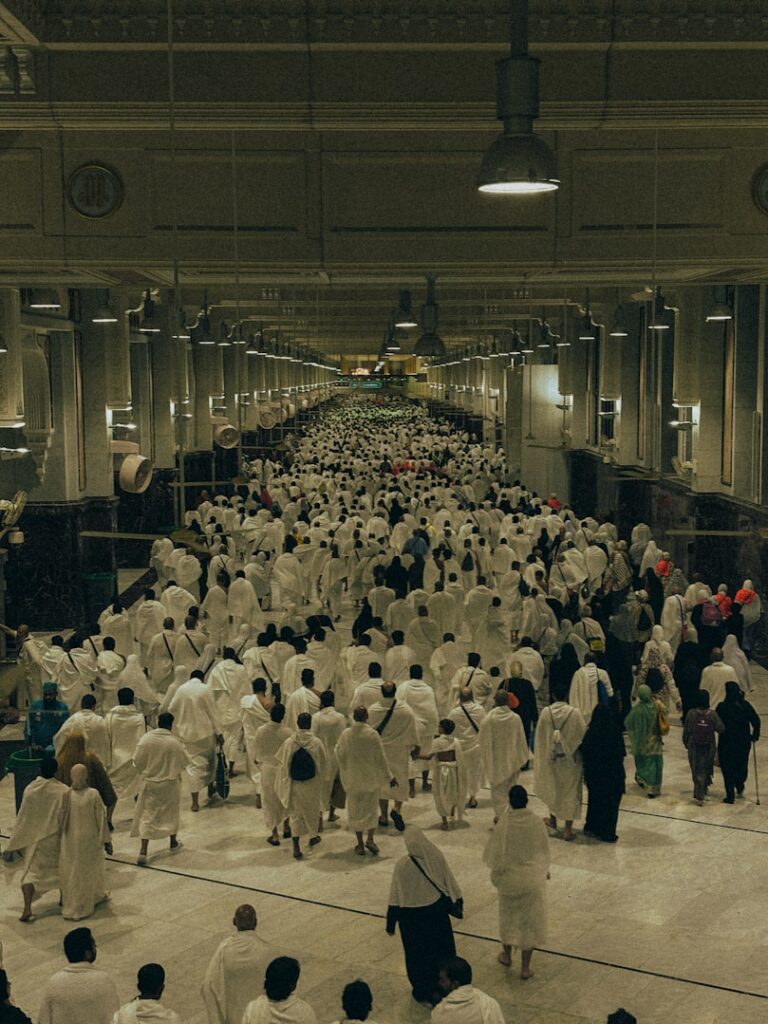
The journey begins with donning the Ihram garments, symbolizing purity, equality, and detachment from worldly desires. This sacred state reminds pilgrims that all distinctions of wealth, status, and background are set aside before Allah.
Tawaf, the act of circling the Kaaba seven times, is a powerful expression of love and obedience to Allah. Each round represents unity, continuity, and devotion. Pilgrims focus on prayer, reflection, and seeking forgiveness, understanding that the Kaaba is the spiritual center of the Muslim world and a symbol of monotheism.
Sa’i, the walk between Safa and Marwah, commemorates Hagar’s search for water for her son, Ishmael. This ritual teaches resilience, trust in Allah, and reliance on divine guidance. Pilgrims reflect on the power of perseverance and the importance of faith during trials, reinforcing life lessons beyond the physical act of walking.
The most significant moment of Hajj is standing at Arafat, symbolizing repentance, reflection, and submission to Allah. Pilgrims engage in heartfelt prayers, seeking forgiveness and mercy. This spiritual climax represents renewal and transformation, reminding everyone of life’s ultimate purpose and the importance of humility before the Creator
The ritual of stoning the Jamarat represents rejecting evil and resisting temptations. Pilgrims throw pebbles at symbolic pillars, reflecting their commitment to abandon sin and strengthen moral resolve. This act serves as a reminder that spiritual growth requires conscious effort, courage, and
Completing Hajj is a transformative experience that leaves a lasting impact on the believer’s heart and soul. The pilgrimage strengthens faith, deepens spiritual awareness, and cultivates a sense of empathy, unity, and devotion. Hajj teaches that worship is not limited to rituals but is expressed through sincerity, humility, and a continuous effort to live a righteous life.